
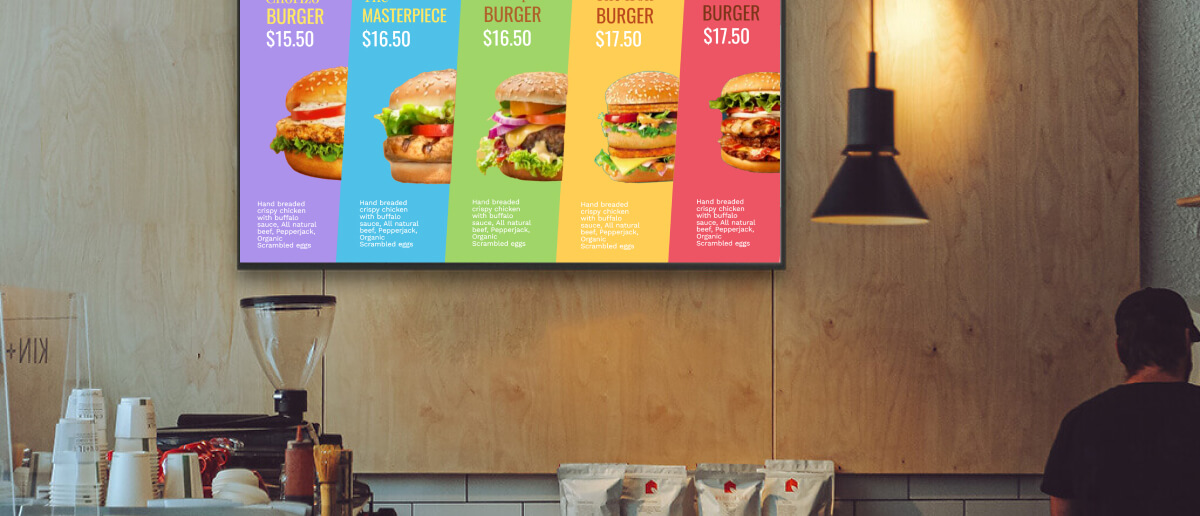
The era of the static, laminate menu is fading fast. As a modern restaurant owner, switching to a TV menu display is no longer a future consideration. It is a strategic necessity that allows for instant updates, dynamic upselling, and a cleaner aesthetic. However, simply mounting a screen on the wall isn’t enough to drive sales. You need a cohesive strategy to turn that hardware into a powerful marketing tool. So, here are some ideas to get you started.
Prioritize visual hierarchy
Do not list items in a simple chronological list. Instead, use bold, distinct headings for categories like appetizers, mains, and drinks to create navigation anchor points. Use contrasting colors to make prices stand out, but ensure they clearly align with the correct item to avoid confusion.
Furthermore, embrace white space. A cluttered screen is overwhelmingly difficult to read, so give your text room to breathe.
Leverage professional design tools
Many restaurant owners hesitate to go digital because they fear they lack the graphic design skills needed to create something that looks professional. The good news is that you don’t need to hire an expensive agency or learn complex software to get a sleek, branded look.
Platforms like PosterMyWall offer an incredibly accessible solution for the non-designer. They provide thousands of professionally designed, customizable digital signage templates specifically tailored for the food and beverage industry. You can filter by specific themes and simply drag and drop your own text and pricing into the pre-made slots. Using these templates ensures your composition is balanced from the start, allowing you to focus on the content.
Choose the right equipment
Setting up your digital menu involves three main components: a display screen, a media player, and a content management system. Consumer TVs are not designed for 16-hour daily operation in greasy or humid kitchen environments and may burn out quickly. So, look for commercial-grade digital signage displays designed for long operational hours and better brightness.
Then, opt for a decent media player or signage player. Dedicated players are often preferred because they can cache content, meaning your menu won’t go black if the restaurant’s Wi-Fi temporarily goes down. Ensure your TV has accessible HDMI inputs and is mounted securely at eye level or slightly above, tilted down to minimize glare from overhead lights.
Make sure your menu changes through the day
One of the most significant advantages of a TV menu over print is flexibility. There is no reason to clutter your screen with breakfast options during the dinner rush. So, schedule different content for different times of the day to maximize relevance.
For example, you can set your digital menu software to automatically switch from the morning menu to the lunch menu at 11:00 AM, and then to the dinner menu with happy hour specials at 4:00 PM. This keeps the content focused and reduces clutter for your customers by only showing them what is currently available. It also allows you to focus your marketing on high-margin items appropriate for that specific time of day, rather than wasting screen space on eggs and toast during the dinner rush.
Incorporate high-quality imagery
A digital menu is the perfect canvas to showcase your food, but poor imagery can actually hurt your brand perception. Avoid grainy, poorly lit smartphone photos or generic stock images that don’t represent your actual portion sizes or presentation.
Therefore, invest in high-quality photographs of your signature dishes. When a customer is debating between a basic option and a premium one, a vibrant, steaming photo of the deluxe option on the big screen is your best salesperson. However, use images sparingly and plug them into your menu templates. The goal is to highlight specials or define categories, not to picture every single item on the menu, which creates visual chaos. A single, stunning image of a featured burger is far more effective than a grid of twenty small, indistinguishable photos.
Do not keep your content static
A static digital image is better than a printed sign, but it is still just a sign. Truly maximize the potential of your TV display, and utilize motion and content rotation. A screen that never changes eventually becomes background noise that customers ignore.
Rotate between your main menu board and screens highlighting limited-time offers, dessert promotions, or sourcing stories about your local ingredients. Subtle animations, such as steam rising from a coffee cup or a slow zoom on a featured dish work well. They capture peripheral vision and draw attention back to the screen. However, balance is key. If the menu rotates too fast, customers will be frustrated that they missed an item description. A good rule of thumb is to leave the main menu up for a significant duration or keep it on a dedicated screen, while using a secondary screen to rotate through promotional content and appetizing visuals.
Implementing a digital menu system is a high-return investment that modernizes your restaurant and streamlines the ordering experience. If you focus on strong visuals and smart scheduling, you can influence buying behavior the moment a guest walks through your door.
About the Author


