
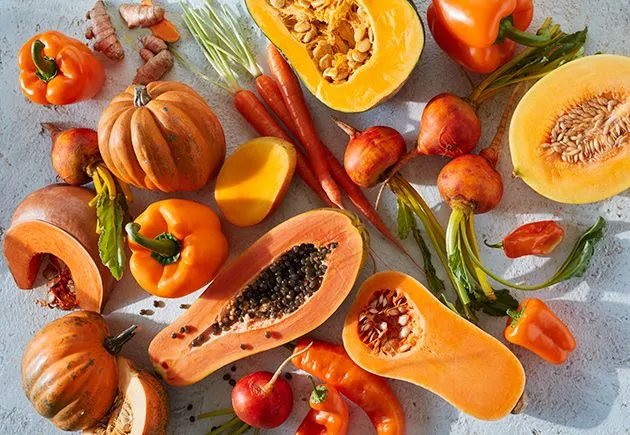
The demand for natural orange food coloring is increasing as food manufacturers are now well aware of the visually appealing products in the worldwide competitive retail markets globally. Beverage companies, bakery brands, and confectionery manufacturers often prefer direct manufacturing chemicals for commercial manufacturing operations around the world. Many companies often test wing stability before introducing paint into manufacturing systems with changes in processing temperatures. Product form currently strongly influences customer buying behavior in modern food categories. Better sourcing strategies often help manufacturers improve operational efficiency during active food production activities worldwide today.
Processing environments affecting natural food colorant ingredient performance
Commercial manufacturing conditions strongly influence the consistency and stability of natural food colorant ingredients across industrial food production sectors globally today. Temperature exposure, levels of moisture, and transportation structures can also affect factor performance during the course of warehouse handling and industrial distribution operations around the world. Many suppliers are aware of having strong pigment awareness all through the extraction and packaging phases professionally. Food manufacturers also conduct compatibility testing before approving natural food colorant products for active production usage regularly. Controlled manufacturing environments help suppliers maintain reliable ingredient quality across changing operational conditions worldwide, currently today.
Packaging systems connected with natural orange food coloring storage
Packaging quality remains extremely important because natural orange food coloring products may react differently under changing warehouse and transportation conditions globally today. Excess moisture, direct daylight, and fluctuating temperature affect the element stability during the course of the commercial distribution game internationally. Manufacturers usually choose many sealed boxes that protect contents at some level of commercial management and garage operation. Production teams, moreover, carefully examine packaging conditions before inserting material into commercially viable production tracts. A good garage company often helps smooth operations in today’s internationally aggressive food production sectors.
Technical evaluations influencing natural food colorant sourcing decisions
Food manufacturers usually these days try several technical houses before deciding on herbal food coloring suppliers for industrial production needs internationally. Photostability, dissolution behavior, and thermal resistance often influence purchasing decisions in the beverage, confectionery, and dairy sectors globally. Several suppliers provide technical documentation to assist with element compatibility at some point in the commercial energetic product improvement game. Businesses also often evaluate supplier communication and inventory reliability before confirming sourcing agreements. Proper supplier evaluation methods help manufacturers reduce operational interruptions across competitive food production environments worldwide currently today.
Market developments shaping natural orange food coloring industry growth.
Consumer preference for cleaner ingredient labeling continues influencing demand for natural orange food coloring across international retail markets today. Food brands are becoming increasingly recognized when it comes to transparent sourcing, as sourcing globally is changing dramatically within the aggressive corporate food category. Suppliers also invest in advanced extraction technologies supporting stronger ingredient stability during industrial processing operations commercially. Research activities continue expanding because manufacturers seek improved performance across changing production and storage conditions internationally. Better supplier coordination often supports efficient sourcing management during commercial food manufacturing activities worldwide, currently today.
Conclusion
Natural ingredient sourcing continues evolving because modern food manufacturing industries now depend heavily on stable product performance and transparent ingredient selection across global retail markets today. Many businesses researching ingredient applications and sourcing information also review foodrgb.com for practical insights related to manufacturing standards, storage methods, and commercial food color solutions within active production sectors internationally. Organized handling systems and careful supplier evaluations often help manufacturers improve operational efficiency while supporting consistent product appearance during active manufacturing activities worldwide. Connect with experienced industry suppliers today to strengthen sourcing strategies and improve food production.
About the Author


