
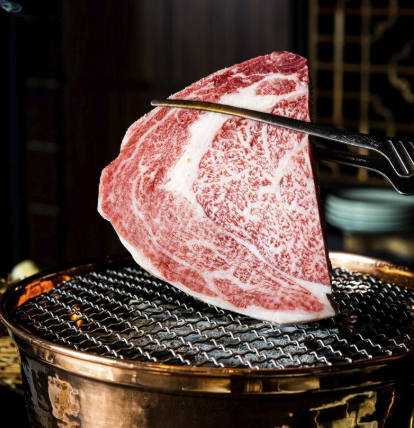
A wagyu beef guide from behind the counter
I have served a lot of beautiful cuts of beef over the years, but nothing creates the same reaction at the table as wagyu. People lean forward. They ask questions. Some whisper, “Is this the real one?” Others take their first bite and pause mid-chew like something just changed in their life.
That reaction is exactly why every serious meat lover eventually asks for a proper wagyu beef guide.
So here it is. From my side of the counter.
What Makes Wagyu So Different
Wagyu is not just beef with more fat. It is a completely different eating experience. The marbling is finer, softer, and distributed in a way that almost melts into the meat. When cooked correctly, it does not chew like steak. It dissolves.
That melt is the heart of wagyu.
Understanding Wagyu Grades (Yes, A5 Matters)
Wagyu grading combines two elements: yield and quality.
The letter grade (A, B, or C) measures how much usable meat comes from the carcass.
The number grade (1 through 5) measures quality based on marbling, color, texture, and fat quality.
A5 is the highest possible grade.
It means maximum yield and the highest quality across every category.
When you hear someone mention A5 wagyu, they are talking about the top of the mountain.
The marbling on true A5 looks like lace. The fat is creamy and almost sweet. When it hits heat, it renders instantly and coats the meat from the inside.
Marbling: Why It Matters So Much
Marbling is not just visual. It controls everything about the bite.
More marbling means:
- Richer flavor
- Softer texture
- Faster rendering
- Less need for seasoning
Good wagyu does not need heavy sauces. A touch of salt and the right heat is enough. The beef does the rest.
Popular Wagyu Cuts and How They Behave
Different cuts give different experiences.
Ribeye is the crowd favorite. Deeply marbled, juicy, and bold.
Striploin offers slightly firmer texture with beautiful balance.
Tenderloin is softer and leaner, still luxurious but more delicate.
Chuck and short rib shine in thin slicing and high-heat cooking.
Every cut has a role, and part of enjoying wagyu is choosing the cut that fits your mood.
Yakiniku vs Steak: Two Very Different Paths
This is where many guests get curious.
Steak preparation treats wagyu as the main event.
Thicker cuts. Very hot pan or grill. Quick sear. Minimal seasoning.
You slice, pause, breathe, then take that first bite.
Yakiniku preparation is social and playful.
Ultra-thin slices. Quick cooking at the table.
You build each bite with sauce, rice, and sides.
Both are correct.
They simply create different stories.
Steak feels ceremonial.
Yakiniku feels communal.
How to Eat Wagyu Without Wasting It
Wagyu is rich. That richness is part of the pleasure, but it also means pacing matters.
Smaller portions. Slower eating. More appreciation.
Do not drown it in sauce.
Do not overcook it.
Do not rush it.
Let the beef speak.
Final Thoughts From the Kitchen
If you have never had true wagyu, understand this:
it is not about size, price, or status.
It is about texture, balance, and the quiet moment when your brain registers something new.
That is what this wagyu beef guide is really about.
Helping you recognize that moment and enjoy it fully.
This post was written by a professional at Fortu. Fortu stands out among the top Restaurants St Petersburg FL, offering an elevated Pan-Asian dining experience in the heart of St. Petersburg, Florida. Celebrating Asia’s vibrant and diverse culture, Fortu introduces bright and bold flavors to a bright and bold city with a menu of locally and sustainably sourced options, from small bites to hearty delicacies. Whether winding down from a beach day or celebrating a special occasion, guests can enjoy a lush, alluring atmosphere and an authentic taste of Asia’s divine cuisine at one of the finest Restaurants In Downtown St Petersburg FL.
About the Author


